Making Space to Rest

Art, Yoga, Qi Gong and the Andalusian Mountains

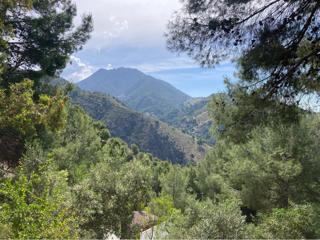
The view from Casa Surrender

How often do we tell ourselves we’ll make time for ourselves when life feels a little less busy?

Perhaps when work settles down. When we’re needed less, or there’s less to organise, fewer demands, or a little more space in our lives.  But sometimes, that moment never quite arrives.

With just three places remaining on our April 2027 Andalusian retreat, I'd love to invite you to carve out some time for yourself and join us for a week of rest, creativity, and renewal in the mountains of Spain.

Many guests tell us that hesitated before booking. They weren’t sure they were experienced enough, whether they could really justify taking a whole week away, or whether they could give themselves permission to step away from the familiar pace and routine of everyday life.  And every single time, they're so glad they came.

The local beach at Nerja

You don't need any experience in painting, yoga or meditation. You simply need to come exactly as you are, and we'll take care of the rest.  Together we'll spend a restorative week painting, practising gentle yoga and Qi Gong, sharing delicious meals, and soaking up the peace, beautiful simplicity, and stillness of the Andalusian mountains.

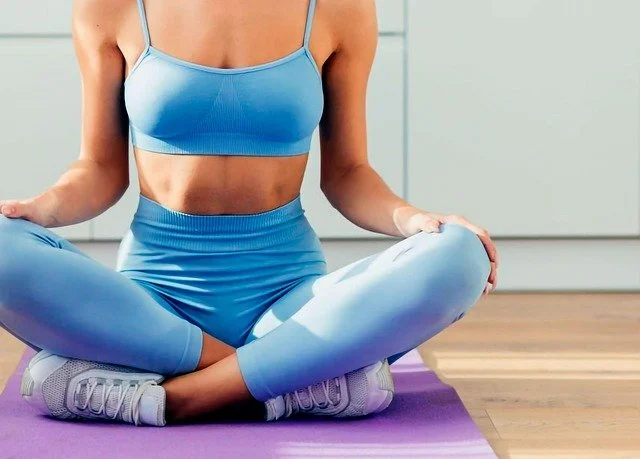
Each morning Artist, Ione Harrison will guide you through relaxed, expressive watercolour sessions, suitable for all levels of experience.  I will lead gentle yoga and Qi gong sessions to help you unwind, stretch and recharge.  Everything is completely optional…it’s your retreat and you can take it at a pace that feels nourishing for you.

The retreat is held at the beautiful Casa Surrender in the hills of Andalucia.  They’ll be wonderful nourishing food, time by the pool and the sea, quiet corners to sketch, read or simply rest, conversations over long lunches, and space simply to breathe.

Ione creates a welcoming, encouraging and relaxed space where students can relax and reconnect with their creativity. In my yoga classes, I aim to bring that same sense of warmth, calm and gentle encouragement. Together, we've created a retreat that nourishes the mind, body and soul.

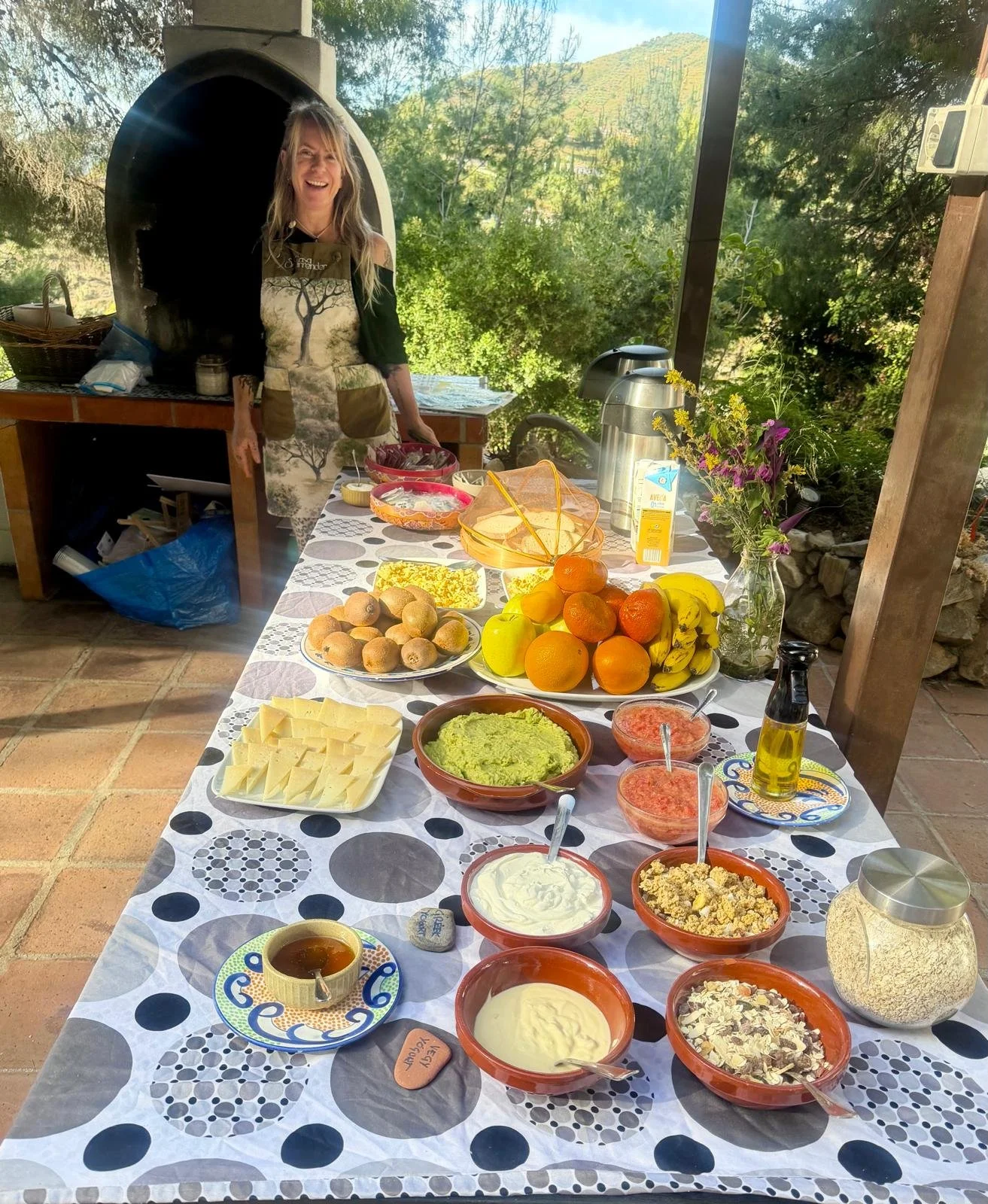
Breakfast at Casa Surrender with our host Elsa

One of our previous guests summed it up beautifully:

"We all felt so supported and encouraged, and our confidence and creativity grew throughout the week."

If you'd like to know more about this particular retreat in Spain, or any other Omara Retreats, you can email me at nickyjanethomas123@gmail.com, or visit: https://www.ioneharrison.co.uk/watercolour-workshops for more information. I'm always happy to answer any questions. 

Ione and I will also be hosting a half day art and yoga retreat in Helmsley on Sunday 25th October (10-1pm).  If you’re curious about our retreats, it’s the perfect opportunity to enjoy a taste of what we offer, all within a relaxed half day.  https://www.ioneharrison.co.uk/watercolour-workshops

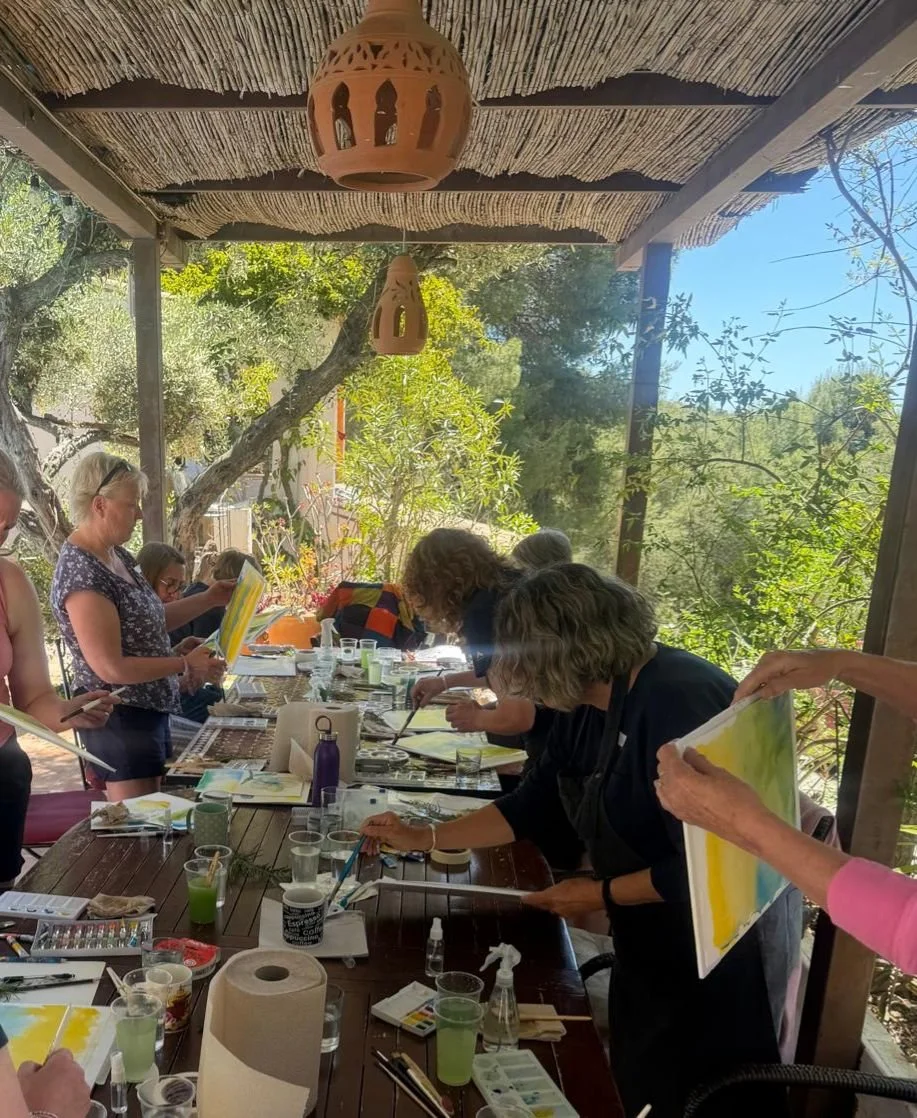
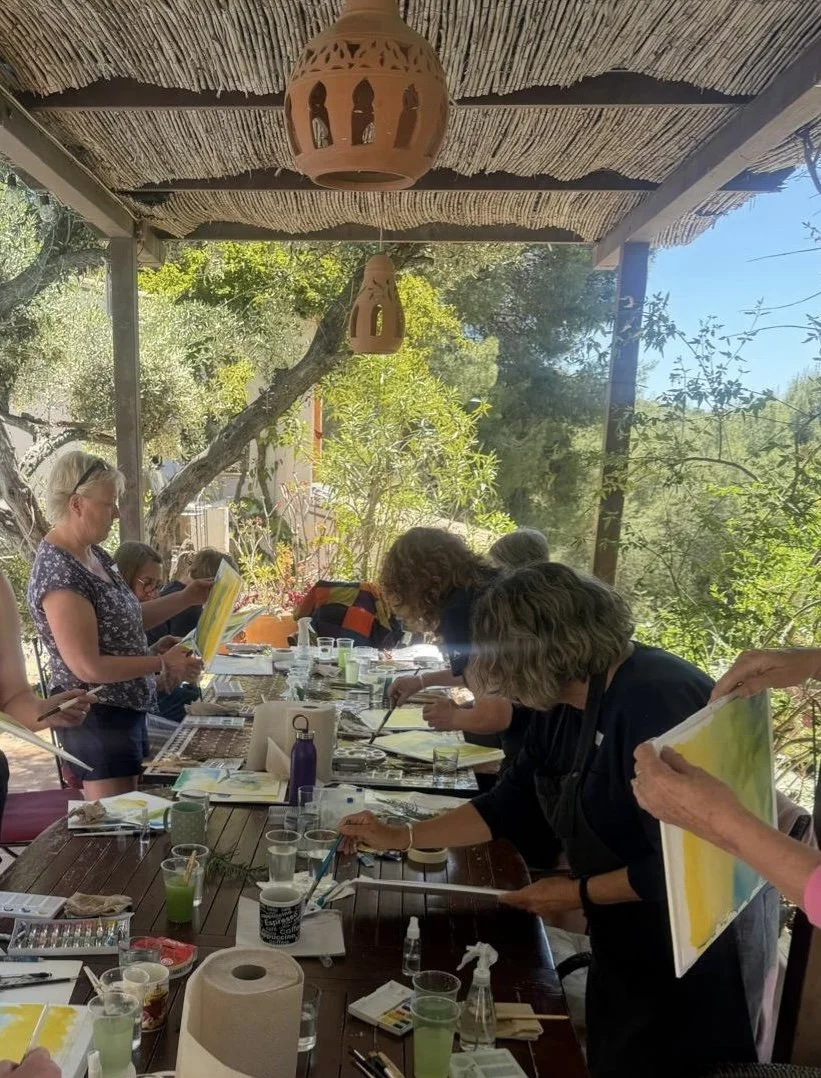
Painting by the pool

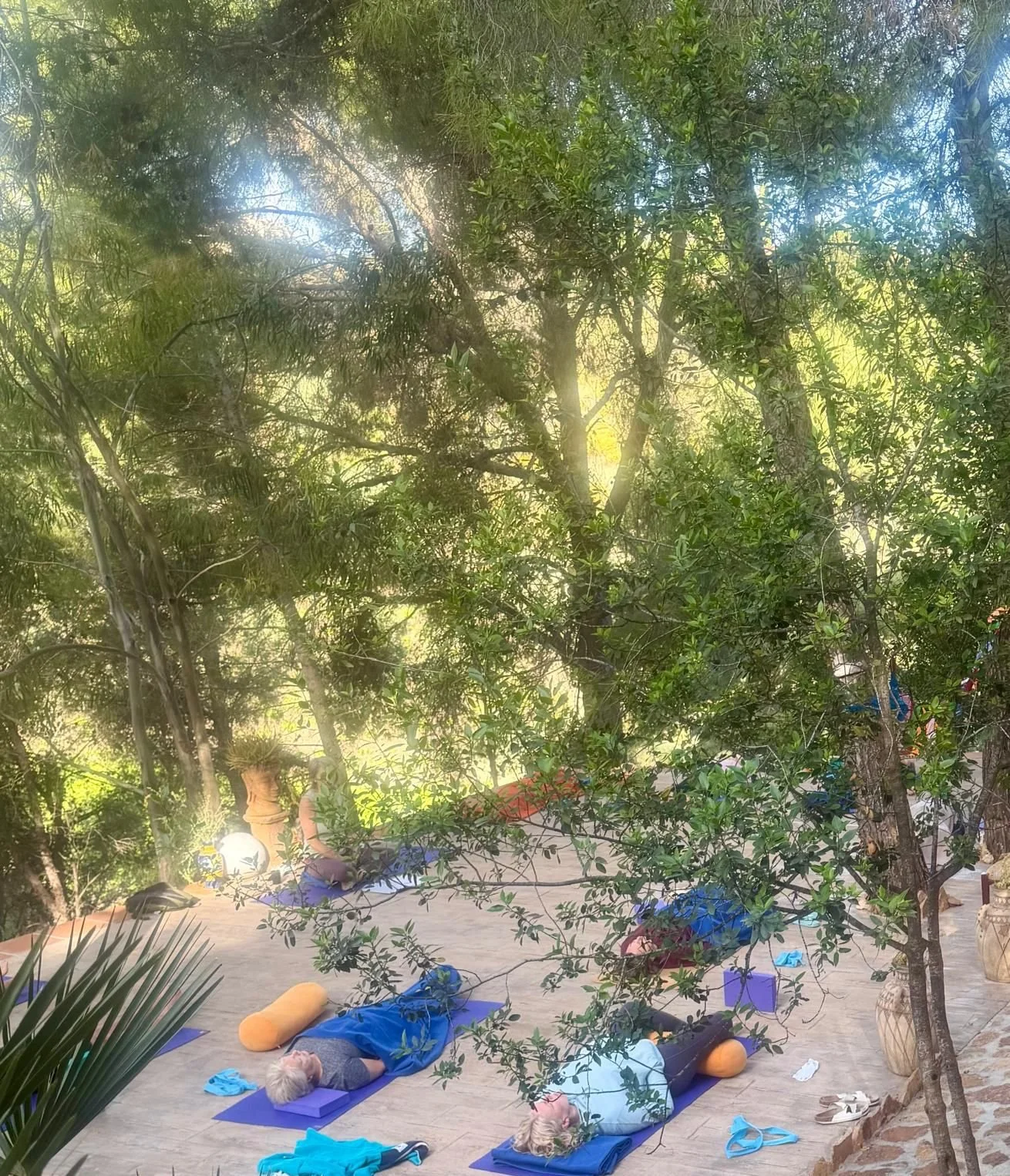
Savasana (guided meditation) on the outdoor terrace after our morning yoga session

Returning to the Wider River

Through my work as an acupuncturist, I have become deeply aware of the many ways tension and pressure can manifest as constriction and discomfort within the body. Sometimes this presents as chronic muscular holding, stiffness, or pain that settles into the back and shoulders. At other times, it appears more subtly: a persistent sense of bracing for what comes next, an undercurrent of anxiety or vigilance, or an embodied habit of folding inward beneath the weight of life's demands simply to keep moving forward.

These patterns often become so familiar that we scarcely notice them, yet they shape how we feel, move, breathe, and experience ourselves in the world.

Over time, we can become like a river narrowed by its banks…still flowing, still carrying on, but with less space, ease, and capacity than feels comfortable. We become so skilful at holding ourselves together that we may scarcely notice the body’s experience of tension or constriction. Beneath the surface there often lies a longing for greater spaciousness and connection.

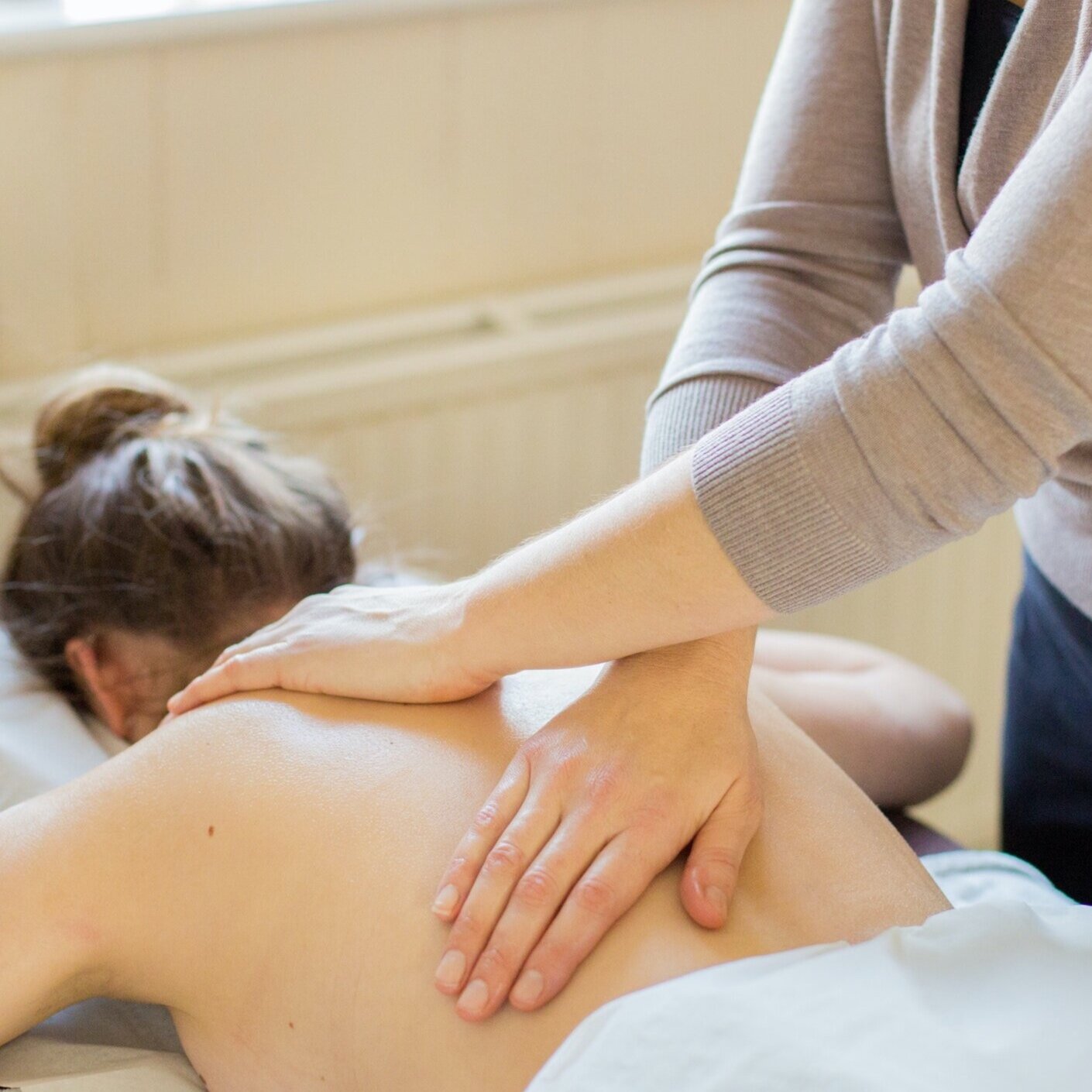
Acupuncture is a wonderfully elegant way of softening the tightness and tension that contribute to pain, creating breathing space within and around areas of constriction. It is one of the many reasons I continue to cherish this practice after so many years of working with it.

Yet sometimes more is needed. Sometimes we need the opportunity to step away from the demands of daily life and set down a little of what we have been carrying for a while, whether that is from work, our personal lives, or the wider context in which these tensions unfold.

It is from this understanding that I felt drawn to bring together my experience as an Acupuncturist, Yoga and Qi Gong teacher, in collaboration with a friend and professional artist, Ione Harrison, to co-create Omara Retreats, which combine Watercolour painting, Yoga, and Qi Gong as practices to foster wellbeing. Together, we create a supportive environment where participants can slow down, reconnect with themselves, and discover renewed space, balance, and inspiration through movement, creativity and connection with nature.

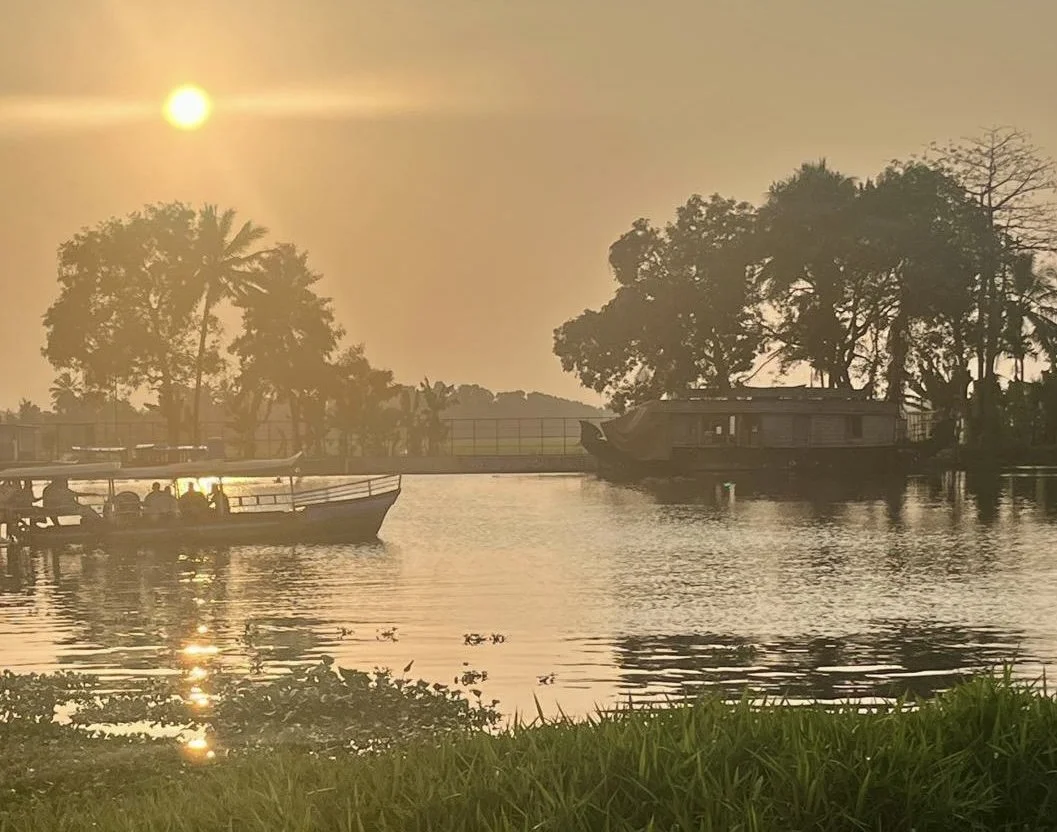
We have already hosted two successful retreats in Kerala and Andalucía, each offering a nourishing and enriching experience for those who attended. Building on the warmth and positive response to these gatherings, we are now excited to be planning our first UK-based and Alpine retreat in the near future.

In a world that rarely pauses, both mindful movement and creative practices, such as Qi Gong and watercolour painting, offer a space in which the boundaries that have formed around us can begin to soften and widen. They invite us to step away from the pressures and routines, slow down and reconnect with aspects of ourselves that are often overlooked amid the demands of daily life. Through movement, breath, colour, and creative expression, it becomes possible to nurture a greater sense of ease, allowing us to breathe more deeply, move more freely, and reconnect with the fuller flow of who we are.

Time spent in natural surroundings, engaged in creative and contemplative practices, can offer a valuable counterbalance to the pace of modern living. Whether through art, yoga, Qi Gong, or simply moments of quiet reflection, such experiences provide an opportunity to restore a sense of connection to ourselves, to others, and to the natural world around us.

The landscapes of Andalucia, Spain, with their open skies, mountains, and particular quality of light, provide a particularly supportive setting for this process, inviting a slower rhythm and a deeper engagement with both inner and outer experience.

Surrounded by natural beauty, this retreat invites you to slow your pace, breathe deeply, and rediscover a sense of balance. Daily tailored accessible yoga and Qi Gong practices cultivate presence, vitality, and inner calm, while guided art sessions provide space for self-expression, reflection, and exploration. No previous experience is required, only a willingness to be present and open to the experience.

Whether creating from inspiration found in nature, or resting in meditation, each moment is designed to nurture your wellbeing and awaken a different kind of connection to yourself; an opportunity to release stress, restore energy, and return home feeling refreshed, grounded, and inspired.

If you’re interested in finding out more, or joining us for our next retreat, in September 2026 or April 2027, please visit: https://www.ioneharrison.co.uk.

****

Testimonials

Ione and Nicky’s Kerala retreat was truly exceptional and exceeded our expectations in so many ways. Teams from both the UK and India had clearly worked hard together to ensure everything was thoughtfully and professionally organised, allowing participants to relax completely and immerse themselves in the experience.

What stood out most was how genuinely inclusive the retreat was. Whether completely new to watercolour painting, yoga, qi gong, or with years of experience, we all felt supported and encouraged. Teaching was sensitive and adaptable, so no one ever felt out of their depth but instead saw their confidence and creativity grow throughout.

The way Ione and Nicky brought the group together was remarkable. There was a real sense of connection and shared joy, fostered effortlessly through the structure of the days and the generous, open spirit of them both. By the end of the week, we felt like a small community, jokes were shared and friendships forged.

What a wonderful retreat, with really friendly people and lovely leaders. The setting of the retreat (in Kerala) made it exceptional. Yoga and Qi Gong (new to many) provided the opportunity for movement and quietness, and the water colour painting sessions were so helpful to learn how water colour works and various techniques, which resulted in paintings to take away. Great for beginners like me. Thank you so much Ione and Nicky for a thoroughly enjoyable retreat! Loved it so much, I’m rebooking for next year with my sisters!

The Quiet Meeting of Grief and Community

There are moments in life when our private inner world collides with something much larger than us.  Personal grief no longer stays contained within the boundaries of our own story but meets collective events that echo or amplify what already lives within us.  At these intersections, something important is revealed.

Loss is rarely just about the present; it carries layers of memory.  It can awaken earlier experiences of rupture, uncertainty, and longing.  When we encounter collective upheaval, whether through illness, social instability, political unrest, or global crisis, it can act as a powerful catalyst, stirring grief that has not yet been fully known or named.  What we feel in response may appear disproportionate, confusing, or overwhelming, until we recognise that more than one story is being held at once.

During times of collective disruption, many of the structures we rely on for stability fall away.  Community, routine, shared meaning, and embodied connection may suddenly feel fragile or inaccessible.  Without these external holding environments, the psyche is left to manage experiences that were never meant to be carried alone.  I was reminded of this recently while hosting a retreat in India; how support for others is held within a collective shared field of care.  Without this, the body often becomes the storehouse for what cannot be processed consciously, expressing distress through tension, fatigue, illness, or emotional reactivity.

Personal grief, when it arises within a collective landscape of uncertainty, can heighten feelings of powerlessness and fear, sometimes allowing anger to surface where sorrow has no safe place to land.  Distrust may emerge when earlier experiences of abandonment, trauma, or betrayal, are unconsciously stirred; meaningful communications from parts of the self that learned long ago lived with instability.

On a personal level, this truth slowly revealed itself to me during and after my father’s death in 2020, which unfolded against the backdrop of the COVID-19 pandemic, compounding personal loss with sociological instability.  Restrictions, isolation, and loss of communal support intensified feelings of helplessness and exposed deeper fears around trust, control, and abandonment.  Anger, seemingly directed at political systems and authority, was, in part, a displacement of earlier, unmetabolized grief but also the quiet cruelty of degenerative illness. What could not be expressed relationally found its way into the body through emotional reactivity, tension, and illness, illustrating how defences both protect and reveal what lies beneath.  This reveals something about the deeper roots of anger; in its aggressive form, anger can move like a missile, sent outwards to demand attention, even as grief and fear remain hidden at its core.

At the same time, collective events can offer unexpected invitations.  They can call us inward, asking us to examine our defences, our beliefs, and the stories we tell ourselves about safety, control, and trust.  When approached with curiosity and compassion, these periods of upheaval can become potential pathways for growth, opportunities to metabolise what was once too much to bear. 

Therapeutic and ritual spaces play a vital role in supporting this connection.  They offer a relational container in which personal grief can be disentangled from collective fear, and where the individual story can be honoured without being swallowed by the larger narrative.  Within this kind of holding, defences need not be dismantled, but understood, recognised for the intelligence and care with which they once protected us.

Healing, in this context, is not about transcending grief, or rising above pain. It is about learning how to stay present with complexity personally and collectively: to hold both personal sorrow and shared humanity at the same time.  It involves softening into vulnerability while remaining anchored in the body, reconnecting with agency through small, grounded acts of care and attentiveness to what is being experienced.

When we are able to bring awareness to the space where currents merge between our inner world and the wider field we inhabit, something shifts.  The past loosens its grip and reactions become choices.  Compassion expands, not only toward ourselves, but toward others who are also navigating unseen layers of loss.

At this junction, grief becomes more than an ending, it becomes a place where meaning and compassion can emerge, where the personal is woven back into the collective, and where change, quiet, steady, and deeply human, can begin.


Finding your path through Peri-Menopause

Have you been feeling that your energy resources are less consistent than they used to be? It might be that that those spinning plates are beginning to wobble, while a desire for more simplicity, space to pause, or rest is becoming stronger.

This feeling is often felt more strongly during menopause; a natural transition that will inevitably pull you into a different relationship with your self, and your unique inner bodily landscape. An experience that can, at times, be unsteadying as you experience the ebb and flux of physical resources. As an acupuncturist treating symptoms, such as hot flushes, insomnia, low energy and anxiety, I have become very familiar with the map of this terrain. But I have seen too how effectively acupuncture, nutritional support, economising of inner reserves can help women find their bearings through the uncertainties of this period of transition.

A different kind of hormonal dance

This is a time when the familiar hormonal dance of menstruation can no longer be relied upon. Women can find themselves moving into a stretch of unpredictability that includes a broad sweep of changes; an experience determined by the state of your overall health, along with the particular nuances of your biological and emotional history.

The term Peri-menopause, describes an incremental, gradual hormonal shift that commonly begins in our 40s, but can be as early as your 30s, eventually leading up to menopause itself; a time that marks the end of the menstrual cycles.  The existing definition of menopause is when 12 months have passed without a period. 

Peri-menopause, with its uncertain beginning, can bring a host of changes, due to fluctuations of hormones, and the natural ageing process. For many women, this can be a disorientating time, as menstrual rhythms vary, and discord often surfaces that reflects a reduced energetic capacity bumping heads with outer expectations.

It is during this time that you can be directly faced with the growing limitations of your energy resources; a feeling likened to swimming against a tide.  An inner tension can surface that reflects a drop in vitality due to hormonal shifts, and in some cases, increased frequency and intensity of bleeding.

Menopausal symptoms, reflect natural changes in oestrogen and progesterone levels, alongside an increased sensitivity to stress. Oestrogen has mood mediating effects, and when levels diminish during the menopause, it is not uncommon for your sense of well-being to feel undermined, and feelings of anxiety or low mood to be present.  At least until you’re able to acclimatise, and find a footing in this unexplored hormonal territory.

The disorientation of the menopausal transition

Many of these changes will be happening at a time when parents are getting older and are needing more support, or when children are going through their own life transitions, which brings its own unique set of challenges! It often seems as though everything is happening at the same time, which can quickly lead to a sense of being overwhelmed.

It can be punctuated temporarily by loss and endings, as some chapters of your lives come to a natural close or conclusion. Someone said to me recently that during menopause you feel like your body is changing but that you’re not always a willing participant in this change! For many women, this loss carries the quiet sorrow of many griefs: the ache of losing someone you love, the uncomfortable unraveling of a once-familiar identity, or the fading of inner rhythms and resources that once felt steady, known, and dependable.

Changes in mental clarity and vitality due to hormonal shifts, can also undermine your sense of self, confidence and enthusiasm. The mist of brain fog, combined with diminished resources, seeming to betray your ability to be available in the same way as before. This, combined with a sense of your mortality being brought into sharper focus, can bring more persistent feelings of anxiety to the foreground.

Recalibrating your resources

However, this chapter in life also creates an opportunity to wrestle back control by redefining who you are, and what you need, in a different way.  As your body communicates a growing necessity to attend to, and care for yourself in a way that honours your own inner capacity.  Menopause, in this sense, is providing both a doorway into a deeper knowing, and an invitation to slow down.  

A more embodied awareness that life is finite, and passes far too quickly as we grow older, can also inspire a challenge to do something new, which can help you to let go of outworn roles that are no longer nourishing, or sustainable.  Or, as the writer and psychologist, Sharon Blackie suggests “The second half of life, then, gives us the opportunity to rediscover the parts of ourselves that we’ve buried, to find the path we have lost. It might feel as if everything is breaking, when actually it’s just changing. Transformation is part of life, and when we stop transforming, we stop fully living. Knowing that doesn’t make the hard times easier, but it gives them meaning.”

Moving with the river - A Traditional Chinese Medicine Understanding

Traditional Chinese Medicine, of which acupuncture is a living thread, is woven from holistic principles that honour the deep interconnection between your inner and outer worlds. It gently reminds us of our kinship with nature, and the quiet vitality that flows when we move in harmony with the greater body of the Earth. Rooted in the ancient wisdom of Taoism, it sees all of life as a dance between opposites — a ceaseless unfolding of balance and change.

This is expressed through the eternal rhythm of Yin and Yang: water and fire, night and day, stillness and movement. Yin is the essence of water — cool, yielding, receptive, slow, and gathering. Yang is the spirit of fire — warm, active, and expansive. True harmony arises not from eliminating difference, but from balancing the tension between these two vital forces, each nourishing and shaping the other.

Just as the cosmos finds its balance through this dance, so too does the body. Our inner landscape must continually adapt to the shifting seasons of life, especially during the transition of menopause. Oestrogen, with its steadying, soothing presence, can be seen as a yin-like force. As it naturally wanes with age, the cooling waters recede, and more yang expressions — heat, restlessness, inflammation — rise to the surface, no longer softened by yin’s quiet temperance.

Yet within this change lies an invitation: to listen more deeply, to honour the body's wisdom, and to rediscover equilibrium in a new form — one attuned to the deeper rhythms of nature and self.

Eastern traditions of health and wellness understand that you can supplement this natural decline of ‘yin’ by gathering in your energy a little more and protecting your resources, so that you’re not extending beyond your reserves. You can also do this by listening to your body, balancing outward activity with drawing inwards and rest, as well as aligning to the seasonal cadences of the natural world, which may take the form of choosing to conserve your energy a little more in the wintertime, like a tree drawing energy and nourishment back into its roots. Attending to cycles of expansion and contraction, found in the circular sway of the breath and the seasons, or connection and withdrawal by honouring our individual needs for engagement or alone time, can be steadying at a time when familiar menstrual rhythms of storage and release feel chaotic.

Acupuncture points can be used to harmonise the interplay of yin and yang within the body so that all is flowing well within, and you have deep reserves to draw on during times of transition or struggle.  Classical Chinese Medicine sees the Chinese character of each point as expressing a story that can nourish, or brings alive, a vitality within us.  Points like ‘Utmost limit of balance’ keep you balanced when life is difficult, or ‘A Maze of Spring Water’ give fluidity and nourishment to your plans and ideas, helping you to touch into the deep spring within yourselves.

What’s right for me now?

Women often express to me that many of the symptoms and experiences that they are having seem to be communicating a deep need to slow down so that they can follow deeper longings that bring joy and fulfilment. There is a natural urge to draw attention inwards, as a way of conserving our resources. This necessity to withdraw and connect to self seems to grow stronger during menopause. This is beautifully expressed in a an extract from a poem called Endless Lengths by the author, Toko-pa Turner: “All of nature needs these intervals/of movement in reverse//There is a jewel to be gathered in the pause/the condensation of maturity/on the tip of our heart./The essence accumulated which,/if attended with stillness,/won’t fall from us wastefully.”

Asking yourselves the question ‘What’s right for me right now?’can help to shift the perspective to what you ‘can’ do, rather than what you feel that you ‘should’ be doing. This reframing of your internal narrative can encourage you to be more compassionate with yourselves when making small yet necessary adjustments to your work and home lives.  Shifts that preserve and recalibrate your inner resources, and help you to find new ‘jewels’ of meaning and acceptance.

Connecting to the wider ecosystem of support

The fast-paced nature of society, and the constant distractions and anxieties of the modern world can make it hard to fully sink into the bodily experiences of what you’re encountering.  Deeper emotions can sometimes accompany the rushes of heat during menopause.  It’s important that you allow yourselves time to connect with whatever may be surfacing emotionally during this time.

This might require you to turn to the support of friends, family, or professional help.  Any transition will require a loving and caring community so that you can hold deep care and love for yourself help. .  This is particularly meaningful during the menopause when support and sustenance can be provided by a connection to the shared experience of others.

Supporting ourselves during the menopause

There are many ways that you can support yourself during the menopause.  It can be helpful to consider the following practical self-help suggestions as a way of anchoring yourself during the menopausal transition.  Mindfulness, rest and good nutrition all have an important role to play during this time:

1.    Re-thinking the balance or intensity of your exercise routine can be helpful. Incorporating more slow mindful movement practices, such as yoga, tai chi, walking, gardening, swimming are all good ways to improve cardiovascular fitness, strengthen your bones and muscles, conserve vital energy, whilst providing a great source of relaxation. Weight bearing exercises are also recommended to improve bone density and build strength.

2.    Consider eating more phyto-oestrogens, which are naturally occurring oestrogens, to your diet. Phytoestrogens have a similar chemical structure to oestrogen and may mimic its hormonal actions. Sources include: flaxseeds, lentils, chick peas, sunflower, pumpkin and sesame seeds, soybeans, peaches, berries, garlic, tofu, tempeh, and cruciferous vegetables.

3.    Find time during the day to pause, ground in nature and focus on the rhythmic movement of the breath, which can provide an anchor when you’re feeling anxious or unsteady. Are there room for pauses in your life, or ways that you can restructure your time to create more breathing space?

4.    Drink plenty of water to keep your skin hydrated and bowel movements regular.

5.    Activities involving movement, such as dancing, yoga, qi gong or tai chi; learning a new skill, or taking up a new creative pursuit, all help to reduce stress, and keep our energy flowing in healthy, nourishing and restorative ways.

6.    Opening to the nourishment of nature - the simplest gestures of stopping to absorb a beautiful view, sensing the ground beneath our feet, or pausing beneath a tree can open us to the steadying influence of the earth.

7.    Meditation helps us to connect to a deep and quiet place within ourselves, at a time when heat is sweeping through the body creating unsettling ripples on the surface of our skin.

8.    It is well known that bio-identical hormone replacement therapy can be used to help manage some of the symptoms of menopause. Acupuncture is also known as a resource for helping to ease menopausal symptoms.  This has been supported by findings reported in the British Medical Journal, that conclude….”Acupuncture for menopausal symptoms is a realistic option for women who cannot, or do not wish to use {hormone therapy]”.  

Acupuncture uses the body’s own self-regulation capacity to stimulate the production of hormones, whilst also having a normalising effect on mood, temperature, inflammation, and nervous system states.  All of which can positively influence many of the uncomfortable symptoms that are present during this time either in isolation, or used alongside HRT. 

https://www.bmj.com/company/newsroom/acupuncture-may-ease-troublesome-menopausal-symptoms/

(https://www.evidencebasedacupuncture.org/acupuncture-menopause/)

https://news.harvard.edu/gazette/story/2020/08/study-reveals-acupuncture-affects-disease-course/?fbclid=IwAR3cwL4DwNZbkG-wIK70PZn1hI1Xjd60ii_XjoDoRBVP4syN5CLENUUV5_E

Acupuncture for the lingering effects of Covid

There is a growing recognition that many people are now facing the long-term consequences of Covid-19, suffering from prolonged symptoms for weeks, and sometimes months, after their recovery.  

Traditionally, holistic healthcare and acupuncture have a long history of helping people to overcome the lingering symptoms of viral infections.  Many of the common symptoms seen with ‘long Covid’ respond to acupuncture in other contexts too, particularly in cases of chronic fatigue and fibromyalgia. 

 When we talk about post-viral illness, we are usually referring to a constellation of symptoms, including joint or muscle aches, fatigue, poor concentration, brain fog, a feeling of heaviness, intermittent fever, shortness of breath and depression.  One of the most prevalent symptoms that I have seen in patients with ‘long covid’ is a feeling of constant fatigue, and the most frustrating thing for patients is that energy is rarely restored by getting a good sleep.  Infact, people often feel worse first thing in the morning.

It is thought that post-viral syndrome may have something to do with the body's immune response to the initial infection.  When you are fighting off a virus, the immune system releases chemicals, which promote inflammation and cause many of the classic symptoms of viral infection (eg, tiredness and aches and pains).  An increasing number of studies show that acupuncture supports the immune system and in addition, that it has an anti-inflammatory action, particularly useful in treating patients suffering from symptoms caused by the coronavirus.  There is clear evidence that acupuncture increases the body’s ability to fight infections, while at the same time reducing chronic pain, anxiety, depression and stress, all of which have a detrimental effect on our immune system.

Acupuncture that is based on the traditional East Asian models is well placed to help people with ‘long Covid’. Patients with multiple, chronic symptoms are treated using a holistic approach, which helps to support their own self-healing capabilities to provide better sustained, overall improvement, as well as providing symptomatic relief. 

If you’ve been experiencing symptoms of ‘long-Covid’, the following may also help to improve your energy:

·       Eating foods that support the digestive system, such as soups and casseroles where the food is already partially broken down can help to improve energy.

·       Seasonal fruit such as apples and pears have a decongesting action, which can be helpful for chest tightness and/or sinus congestion.  Warm pears and honey are a very soothing for a sore throat, or dry cough.

·       Moderate exercise to increase energy, improve physical strength and relax the mind, such as Qi gong or walking.  As little as 10 minutes of qi gong a day can be very nourishing. 

·       Breathing exercises to calm the nervous system, while providing the body’s cells with more oxygen to use as fuel, can be helpful.

Listening to the Forest

“The Indigenous story tradition speaks of a past in which all beings spoke the same language and life lessons flowed among species. But we have forgotten, or been made to forget, how to listen so that all we hear is sound, emptied of its meaning. The soft sibilance of pine needles in the wind is an acoustic signature of pines. But this well-known “whispering of pines” is just a sound, it is not their voice. What if your listeners presumed you to be mute…..wouldn’t you dance your story in branch and root” Robin Wall Kimmerer

There is a foundational premise in Traditional Chinese Medicine known as Bi Zheng, or Bi syndrome, which offers a profound lens through which to understand a person’s vulnerability to pain. At its heart, it emphasizes our embeddedness within the web of life. The human body is not seen as a closed system but as a permeable entity deeply enmeshed in a wider ecology, affected by the changing rhythms of the weather, the land, and our relationships with family, friends, and community. Health, in this view, is inseparable from the quality of our exchanges with the world around us. It reveals the necessity of synchronizing with both our inner and outer environments, restoring balance and connection, and empowering us to shift the harmony within ourselves.

Through this lens, the body becomes a mirror, reflecting how its internal ecology might be misaligned with the outer landscape. Pain, contraction, loss of movement, or diminished vitality may be biological expressions of imbalance, pointing to a relational disharmony, whether with a loved one, our own emotional lives, the way we nourish ourselves, or our connection to the natural world. Symptoms, then, become signposts and calls for deeper intimacy with our own experience and with the wider living systems we are inextricably part of. In this sense, vitality and healing depend on our ability to bring conscious attention to physical or emotional ruptures, and to reconnect with the larger whole.

This perspective is central to a holistic understanding of health. It asks us to widen our awareness, not only to recognize the strength and dignity of a solitary tree, but to see the entire forest ecosystem: the plants and insects on the forest floor, the birds and squirrels among the branches, and the intricate underground networks of roots, fungi, and microbes that sustain and communicate between trees. All these elements, in reciprocal interplay, contribute to the vitality of the whole.

Suzanne Simard, a forest ecologist, writes that “there is conflict in a forest, but there is also negotiation, reciprocity, and perhaps even selflessness.” Her research reveals that trees understand their interdependence with other species (plants, fungi, microbes) and form intricate, cooperative networks. When one tree falls, others feel it. This teaches us that we, too, are woven into the living fabric of our environment. Communities, whether biological or social, thrive only when every element is recognized as essential. Diversity, far from being a weakness, is what fosters resilience and stability. In ecosystems, fragmentation compromises the health of the whole.

Similarly, in biology, it is now understood that viruses, which are part of the virome (the collection of all viruses in and on the body) play a role not just in disease, but in immune function, adaptation, and regeneration. Viruses are part of nature’s evolutionary fabric. And yet, as seen with COVID-19, the dominant response was to declare ‘war’ on the virus. This war-like framing, driven by a reductive medical lens, risks both “shooting the messenger” and obscuring insights that fall outside its narrow aperture. Microbiologist Zach Bush argues that the rise in viral endemics is largely due to the erosion of ecological balance: soil, air, and water systems under stress from industrial toxins and pollutants. These disruptions have placed pressure on both planetary and human ecosystems, compromising the body’s capacity for balance and healing.

This interconnected understanding is reflected in terrain theory, which holds that if the body and its environment are in balance, then microbes, including viruses, pose minimal threat. As Antoine Béchamp said, “Germs seek their natural habitat, diseased tissue, rather than being the cause of diseased tissue.” Traditional East Asian Medicine and many Indigenous healing systems align with this view. Within these paradigms, the health of the soil, air, water, food systems, and our reciprocal relationships with nature and community determine the vitality of individuals and societies. Polluted ecosystems, disconnected lifestyles, and diminished human connection all contribute to chronic illness and a weakened immune system.

This is not to dismiss germ theory entirely. Modern medicine plays a crucial role in protecting vulnerable populations when the immune system is compromised or pathogens are unusually virulent. But if we are to reduce the epidemics of our time, we must also examine root causes of imbalance. As writer Sophie Strand suggests, we must ask ourselves: How can we contribute to making good soil?

This question guides my own practice as an acupuncturist. I work to understand how relational imprints, nutritional and lifestyle habits, environmental factors, and genetic predispositions shape a person’s current health. Lasting well-being, I’ve found, depends not only on loving, accepting attention to the self, but also on nurturing supportive relationships and a conscious, respectful relationship with the living world, including the earth, oceans, air, trees, and animals. Healing arises when individuals feel empowered to restore a sense of meaning, safety, and connection in their own unique way, rather than through imposed, top-down solutions.

Recent public health mandates have often conflicted with this fundamental need for subjective experience to be honored. The reductionist approach, which can treat humans as passive objects, fails to account for the broader ecology of health and undermines the importance of bodily autonomy and human rights. Environmental degradation, chronic stress, and toxicity are not merely background issues, they are central to the imbalances creating the crises we now face. The ongoing pattern of colonization and destruction of natural systems has led to a loss of biodiversity and disconnection within ecosystems and among human communities alike. This paradigm fosters division, dehumanization, and a diminished appreciation for both our immune intelligence and the interdependence of all life.

A truly holistic worldview recognizes that harmony arises when systemic questions are taken seriously, and when diverse perspectives and needs are welcomed. In Traditional Chinese Medicine, the philosophy of yin and yang teaches that an overemphasis on one polarity can easily lead to its destabilizing opposite. The pandemic response, in many ways, exemplified this: a singular, siloed approach that justified undemocratic policies, political overreach, and censorship of dissenting views. Without the balancing presence of yin participation, collaboration, context, we’ve witnessed a deepening of division: vaccinated vs. unvaccinated, science vs. traditional wisdom, right vs. left. Social unrest, protests, and climate-driven disasters all speak to an ecosystem under pressure.

To restore balance, yin and yang must dance together. A driven, fast-paced lifestyle (yang) without rest, nourishment, or reflection (yin) leads to inflammation, burnout, and disease. Likewise, in the public sphere, a relational, integrative approach would temper extremism and help heal societal rifts. What we are witnessing now is the consequence of policies driven by narrow economic and political interests, which undermine social cohesion, suppress diversity of thought, and ignore the deeper ecology of health.

We stand at a crossroads: a moment of global reckoning. The pendulum swings toward a technocratic future where health decisions may be increasingly outsourced to political bodies and profit-driven industries, with little regard for personal agency or ecological consequence. Such a path is fundamentally at odds with the interconnected, regenerative systems that sustain life.

The challenge of our age is to develop deeper, more collaborative solutions: approaches rooted in relational thinking and ecological awareness. It is a call to slow down, to listen to nature, and to recognize that the health of our environment is inseparable from our own. This vision does not ‘other’ based on medical, racial, or religious difference. Instead, it calls us back to a shared humanity that values kindness, compassion, and respect, especially when fear urges us to divide or dehumanize. It asks us to become the change we long to see: to practice self-compassion, listen deeply to our needs, and extend that same care outward.

If we return to the wakeful, sensate knowledge found in the forest, to the grounded wisdom of branch and root, we might begin to remember how to live in balance once more. The forest teaches us about mutuality, interdependence, and quiet strength. In its dappled light and rich soil are lessons in slowness, sensitivity, and resilience. What might we hear if we truly listened?

****

Holding Fast to the Ground: Nature’s Wisdom in Uncertain Times

IMG_2136.jpg


A Thousand Mornings by Mary Oliver 

Today I’m flying low and I’m
not saying a word.
I’m letting all the voodoos of ambition sleep.

The world goes on as it must,
the bees in the gardening rumbling a little,
the fish leaping, the gnats getting eaten.
And so forth.

But I’m taking the day off.
Quiet as a feather.
I hardly move though really I’m traveling
a terrific distance.

Stillness. One of the doors
into the temple.

Ever since Covid-19 reached our shores in March 2020, to say that there has been a lot going on in our outer and inner worlds would be an understatement!

Understandably, being faced with the uncertainty of a global pandemic has been challenging on many levels, as we continue to navigate a course through these choppy and changing seas. Our experience of ‘lockdown’ shaped, not only by our personal circumstances, but also by the deeper currents of our emotional and physiological landscapes, and how our nervous systems respond to stress and instability.

Just as everything was intensifying towards the end of March, I noticed that I felt a vague sense of restlessness, combined with a faint underlying feeling of anxiety and sadness, and the need to spend more time online than usual.  I was drawn to engage with others in online yoga classes (teaching and attending), and to reach out to friends to connect with that sense of shared experience. Although more recently, I have been socially distancing from technology and the news! Instead settling into quieter rhythms and a desire for more simplicity.

Through the ebb and flow of it all, I’ve felt a continual need to orientate towards the natural surroundings for space and perspective. I have craved the simple balm and breath of nature. Taking walks on the local flood plains, in the freshness of the early morning, have been uplifting in ways that I hadn’t truly appreciated before Covid-19. My daily walks have been so deeply rooting and nourishing, and have inspired many of my online yoga classes, many of which have focused on growing a vital connection with the ground beneath us, as well as learning to inhabit the area below the belly, known as the dan tian. Nature has been a ballast through all the ups and downs of recent months.

How grounding ourselves in nature can be beneficial during this time

One of the gifts of the Pandemic is that it is teaching us to be more comfortable with uncertainty which is, after all, an inescapable part of life. But staying grounded in our bodies is something that can be easier said than done during challenging times when there is so much anxiety pulling us up into our neck, shoulders, chest and heads. When you consider that social distancing, which has provided a sense of security and safety, has forced us to communicate even more through our screens, this will only heighten a sense of disembodiment. 

So how do we root into the earth and the centre of our being when our attention, is inclined to wander up and keep us locked in worrying or anxious thoughts? How can we ease back our awareness into the background a little more, so that we can feel the stabilising support of the ground, pelvis and spine, and settle into the steadying rhythms of nature, “allowing the living background of the world around us to seep into the foreground of our attention”?

Teaching Qi Gong

101834800_3259121257439372_512784168468348928_n.jpg

These are questions that I’ve been exploring, in an embodied way, in my yoga classes recently. In the East, a foundational principle that informs martial arts, yoga, (and I would add Chinese Medicine here too) is that being able to coalesce awareness around our belly, and our living connection to the ground, helps us to cultivate presence, stability, steadiness and balance. Tension in the body and mind often reflect the belief that we are not supported in some way but when we can feel how the earth is there to sustain us, we no longer need that extra layer of muscular support held within the upper body.

When attention is given to the center, whether in a movement class, or during an acupuncture treatment, we provide an anchoring and resting place for the breath and the mind. During an acupuncture session, it may be necessary to balance the delicate interplay between yin and yang by needling a point located below the navel, to temper the rising of yang.  In this way, symptoms that are characterized by this upward rising tendency (such as anxiety, tension, headaches, or hot flushes) can be effectively rooted into yin. Or you may need to strengthen a patient’s connection to the earth element through the needling of points on the leg and feet, to counterbalance a tendency to worry or overthinking.

In embodied practices such a yoga or Qi gong, you can grow the subjective capacity to be in relationship with the ground through the attention given to the feet, or the sit bones. As we practice inhabiting these places, we quickly become aware of how easy it is to lose this vital support, particularly when the energy of anxiety has a tendency to settle upwards in the body. Without it we feel unrooted, unsupported, tentative, anxious or disembodied, or we compensate by shallow breathing, tightening our abdomen, and holding tension in our upper back, shoulders and neck. 

beach-1836461__340.jpg

There are many ways that we can find our grounding. You can do this through the practice of a standing meditation, which emulates the steady, rooted stance of a tree, bringing awareness to the palpable feeling of the ground contacting our feet; by bringing your hands to rest on the belly and letting the breath be guided there; or simply by absorbing the earth’s energy walking bare footed, or lying on the grass. A couple of weeks ago, during the beautiful spell of sunny weather that we’ve experienced, there was a way that lying down on the earth in my garden, underneath the pine trees, feeling the warmth from the sun as it peeped out of the branches, felt so comfortingly grounding.

Just as an abdominal acupuncture point can provide an anchor for anxiety, finding a spot in nature “that binds you to the earth”, if only for the shortest time, gives you the opportunity to pause and drop into the breath.

In a therapeutic setting, being in a physical relationship with the support that’s underneath, and deep within, allows us to be fully present for ourselves, and our patients. The writer, Philip Shepherd, says that “receptivity is made possible by the grounded stability that comes with being at rest deep in the pelvic bowl”. To be present is to ‘hold space’, or be with someone, in an open, accepting, compassionate and deeply attentive manner; one that engenders trust and unconditional positive regard. 

Hopefully, this ‘grand pause’ has opened up a little more space and time for you to “fly low” as the world outside spins, and find a deeper, and more nourishing connection to the ground (inner and outer). Now, more than ever, there is an ever-pressing need to feel our embedded relationship with the earth, but also the centre of our own embodied ecology, so that we can understand and resonate with the greater ecosystem and our place within it.

Supporting Women’s Hormonal Health through Acupuncture

16487800_338177719916115_4122336415651690039_o.jpg

A woman’s body undergoes a remarkable range of hormonal changes beginning at puberty and continuing through menstruation, pregnancy, menopause, and beyond. This ever-evolving hormonal landscape is closely intertwined with emotions, nutrition, work-life balance, relationships, genetics, and stress—factors that can all impact women differently at various life stages.

While hormonal shifts are constant, they tend to be most noticeable during major transitions. Increasingly, women are turning to Chinese Medicine, particularly acupuncture, for both immediate symptom relief and long-term hormonal support. Combined with dietary and lifestyle adjustments, acupuncture can help restore emotional and physical equilibrium by supporting the body’s self-regulating mechanisms.

A growing body of research supports acupuncture’s ability to positively influence the hormonal and nervous systems. Here are five key ways acupuncture can support women's health, vitality, and reproductive wellbeing:

1. Menstruation

Acupuncture can regulate menstrual cycles, alleviate cramps, reduce heavy bleeding, and address irregularities. It also helps calm the nervous system, offering relief from mood fluctuations commonly experienced during menstruation.

Numerous studies have demonstrated acupuncture’s effectiveness in reducing menstrual pain, and many practitioners observe these benefits in clinic daily. For women struggling with monthly discomfort, acupuncture offers a safe, drug-free solution.

2. Perimenopause & Menopause

Chinese Medicine offers a natural, hormone-balancing alternative to Hormone Replacement Therapy (HRT). During menopause, declining estrogen levels, shifting metabolic needs, and increased sensitivity to stress can trigger uncomfortable symptoms like hot flushes, night sweats, insomnia, anxiety, and mood changes.

Acupuncturists help harmonize internal systems—much like a musician tuning an instrument—using finely placed needles to restore balance to the hormonal and nervous systems. In Chinese Medicine, menopause is seen as a decline in "yin" energy, the cooling, calming, and moistening force in the body. As yin diminishes, symptoms like heat, irritability, restlessness, and poor sleep may emerge. Acupuncture supports the body’s natural ability to regain balance during this transition.

3. Pregnancy & Postnatal Support

Acupuncture is a gentle, effective therapy during pregnancy. It can ease lower back pain, morning sickness, fatigue, heartburn, and anxiety. Postnatally, it plays a vital role in replenishing energy, enhancing milk production, and supporting recovery from childbirth—both physically and emotionally. It’s also a valuable tool in managing postnatal depression and fatigue.

4. Conception & Fertility Support

For those trying to conceive, acupuncture can help by:

  • Increasing blood flow to the reproductive organs

  • Regulating hormones such as estrogen, progesterone, and FSH

  • Reducing stress levels that may interfere with fertility

Fertility clinics now often recommend acupuncture alongside assisted reproductive technologies like IVF. By calming the nervous system and shifting the body into a “repair and restore” mode, acupuncture supports optimal reproductive function and enhances the chances of conception.

5. Emotional Wellbeing: Anxiety & Depression

Hormonal fluctuations can significantly affect emotional wellbeing. While some women experience minimal emotional impact, others may struggle with anxiety, depression, irritability, or mood swings—symptoms that can deeply affect quality of life.

Because acupuncture is a holistic practice, it addresses the root causes of imbalance, taking into account a woman’s full health picture—including her hormonal profile, emotional state, lifestyle, and history. By doing so, it helps restore emotional resilience and overall harmony.

5 Ways to Support Hormonal Balance Naturally

In addition to acupuncture, here are five simple lifestyle tips to help support your hormonal health:

1. Eat More Essential Fatty Acids

Foods like oily fish, flaxseed oil, eggs, soy products, nuts, seeds, and dark green vegetables are rich in omega-3s, which support reproductive health and improve blood flow to the uterus.

2. Prioritise Relaxation

Chronic stress impairs hormone production and blood flow to the reproductive organs. Gentle practices like yoga and deep breathing help reduce stress, relax tight muscles, and support energy flow throughout the body.

3. Move Your Body—Mindfully

Regular exercise supports hormonal balance, but listen to your body. Overexercising can deplete vital energy, especially during menstruation, postpartum recovery, or menopause. Choose movement that feels nourishing, not depleting.

4. Nourish Blood and Yin

Especially during menopause or if iron levels are low, eat foods that support blood and yin, such as black beans, kidney beans, organ meats (ideally organic), beets, spirulina, black sesame seeds, and aubergines.

5. Make Time for Rest

Allowing space in your day for rest and stillness isn’t a luxury—it’s a necessity for hormonal balance. Even 10 minutes of mindful relaxation can make a meaningful difference.

Final Thoughts

Women’s health is dynamic, cyclical, and deeply connected to every aspect of life. Acupuncture offers a powerful and time-tested way to navigate these changes with greater ease, resilience, and vitality. Whether you're addressing menstrual pain, preparing for pregnancy, transitioning through menopause, or simply seeking balance, acupuncture can be a supportive and empowering part of your wellness journey.

*****

For more information on women’s health and acupuncture, please contact me at nickyjanethomas123@gmail.com, or phone 07583-291616 for a free 15-minute consultation.


(1) http://www.telegraph.co.uk/news/2016/10/03/acupuncture-can-reduce-hot-flushes-in-menopausal-women-by-half-r/

(2) http://www.healthcmi.com/Acupuncture-Continuing-Education-News/1483-acupuncture-perimenopause-relief

(3) http://www.healthcmi.com/Acupuncture-Continuing-Education-News/1773-acupuncture-boosts-breast-milk-production

(4) http://www.fertstert.org/article/S0015-0282(11)02859-7/abstract


5 Ways that acupuncture can help with back pain

2C8A4116.jpg

As a leading cause of disability, back pain is one of the most commonly treated musculoskeletal problems that I encounter in practice.  Back problems that are most receptive to acupuncture treatment are those caused by sprains, muscle strains, minor injuries, or muscular spasm irritating or pinching a nerve.  Although painkillers are a useful short-term solution to relieve discomfort, as a longer-term option they can often mask the problem rather than addressing the underlying cause of the back pain, which is where acupuncture can help.  Dr Nagda, an American pain consultant says that “when you look at risks and benefits compared to other methods like NSAIDs such as Ibuprofen, acupuncture comes out on top with minimal risks.”  Its benefits also become clearer when you consider that it is increasingly being covered, in part, by health insurance.

There is a wide body of research showing that acupuncture can provoke a number of physiological changes, which relieve pain, improve mobility and reduce inflammation -https://www.acupuncture.org.uk/a-to-z-of-conditions/a-to-z-of-conditions/back-pain.html. A study recently published in the Australian medical journal, conducted in the emergency department of a hospital, has shown acupuncture to be as effective as, and safer than, medication for relieving acute back pain. http://theconversation.com/emergency-doctors-are-using-acupuncture-to-treat-pain-now-heres-the-evidence-79430.  As such it is being increasingly embraced as a popular choice of treatment for acute back pain.  

Although effective for both acute and chronic pain, more often than not people tend to come into clinic when the pain has become more chronic.  Unsurprisingly, people are more inclined to seek treatment after their pain has eased, and mobility improved, with the help of painkillers, preferring to rest and avoid unnecessary movement.  In extreme cases, people are simple unable to move, much less find their way to the nearest Acupuncture Clinic!  However, this is a time when acupuncture can work its wonders! It's often patients who are able to receive treatment sooner rather than later, particularly within the first month of an injury, who I've seen experience the most remarkable improvement.

Many patients find that even after one session of traditional acupuncture their pain, movement and mobility will be improved, and their muscles don’t feel as stiff.  An example of this is a patient I saw last year who to come into clinic a few days after straining his lower back lifting something heavy.  I needled distal points in his hands and ankles before doing some gentle massage to ease the spasm in his back.  After treatment he was in considerably less discomfort and although still walking protectively, it was clear that he was in less pain and had more freedom of movement.

So don't put off coming for treatment....if you're physically able to come in early on you'll be on the road to recovery sooner rather than later.  Unless, there is a structural disc-related problem which requires rest, or the pain is severe, the advice now is that it is better to be active as soon as you're able to prevent muscles weakening and stiffening further.  Gentle movement encourages good blood flow to the injured area, which helps the back to heal. 

You'll be pleased to hear that often the number of treatments required for acute back pain will be less than for chronic back pain.  The treatment for chronic pain usually takes a little longer because areas of spasm can become locked-in, or other areas tighten due to over-compensation, when treatment to bring about muscular release has not been given early on.

Reassuringly, during the very early stage of an injury there is no need to needle locally into a painful area as there are points located in the ankles, wrists and hands that can do the job of releasing a painful muscular spasm.  Once the inflammation has subsided then you would target the local area with carefully placed needles to release tight spots and reduce pain.

Here are 5 Ways that Traditional Acupuncture can help with acute and chronic back pain:

1)   TARGETS PAIN

Contrary to popular belief, traditional acupuncture is an incredibly relaxing experience. Some people of course will be naturally wary of the needles but they’re sterile and extremely fine! Acupuncture's strength is in its ability to elegantly target muscular tightness and spasm.  

2)   NATURAL PAIN RELIEF

By stimulating nerves located in muscles and other tissues, traditional acupuncture helps release the body's natural pain-relieving hormones, including endorphins and oxytocin. These hormones can change the way the body processes pain, helping to reduce discomfort and distress.  This can replace the need for synthetic drugs, without the risk of side effects.  Although you'll be pleased to hear that traditional acupuncture works just as effectively alongside modern medication and other therapies, such as osteopathy. In fact it can even speed up the recovery process.

3)   REDUCES INFLAMMATION

When an acupuncture needle is inserted local anti-inflammatories are released, blood flow is increased to the local area and excess fluids are dispersed to promote healing and aid recovery.

4)   GETS YOU MOVING AGAIN!

Many patients find that even after one session of traditional acupuncture their movement and mobility will be improved and their muscles don’t feel as stiff.

5)   TAILORED FOR YOU

Traditional acupuncture is an effective therapy that treats the whole person. This means each patient is treated as a unique individual so the acupuncture points chosen for one person with lower back pain may be different for another person with the same symptoms. This tailored approach is one of the key reasons traditional acupuncture is so effective.  The number of sessions needed will depend on each individual and whether their pain is chronic or not. I will put together an individualised treatment plan during your initial consultation.


Preventing back pain

In general, the more that your body has got used to flexing and extending, contracting and releasing the muscles that support the spine, the easier it is for muscle releasing pathways to be activated when you tweak your back.  This is why it is so important to regularly support the back with gentle exercises, such as Yoga or Tai chi, which are great ways of gently stretching the muscles in the lower back, as well as strengthening your core to help stabilise the spine.  Yoga is an effective way of lengthening the hamstrings too.  These are the big muscles in the back of the thighs which, when tight, can limit movement in the pelvis, making back injury more likely.


Back Pain Testimonial

Even yoga teachers can get tight and sore muscles!

I spend more hours than I would like sitting at a keyboard, and that combined with challenging myself on the mat can lead to complaints from my back.  This spring, I had booked a workshop that I was very much looking forward to on a Sunday, but on Thursday I was struck down by a killer muscle spasm.  I was gutted and was afraid I would have a long and painful recovery... but this story has a happy ending and now I have a tried and true system for recovering from minor muscular injury.  Immediately upon feeling the cramp, I took a low dosage pain killer to keep myself moving.  And where did I move to?  I went straight to Nicky for massage and needling to release the cramp as soon as possible.  I followed the treatment with a hot bath, a day of rest and then a gentle yoga practice, and by the Sunday I was mobile on the mat with no pain and an appetite for movement!  I think the primary benefit was treating the injury quickly so that I could keep moving, breathing, and healing.


*****


I will be happy to discuss your problem and help you understand whether acupuncture can help you, before you commit to having any treatment

If you'd like you’d like a free 15 minute consultation please call me on 07583-291616.  Appointments can be made by contacting York Natural Health on 01904-788411.


The Core and its role in Sustainability

Strong at the Core: The Deeper Power Behind Your Centre

You may remember admiring Jessica Ennis’s highly toned six-pack during the Olympic Games last year, perhaps even admitting to a little six-pack envy! A defined, muscular torso has become a modern symbol of strength and power. And as we spring into action this summer, it's worth considering just how important our core is in yoga, regardless of whether we’re rocking a six-pack or a one-pack.

But when we look beyond the physical aesthetics of a strong core, we uncover a deeper significance. The core doesn’t just provide strength and stability for the body, it is, in many Eastern traditions, the origin of our innermost guidance and wisdom.

Connecting with our centre allows us to tap into an intuitive support system that influences our movements and decisions, both on and off the mat. The benefits of core awareness expand far beyond the muscles…they reach into how we live, move, and feel.

Listening to the Body’s Rhythms

Recently, I treated a patient with acupuncture for acute back pain brought on by overstretching during a Pilates class. At a time when her body was asking for rest, she was pushing beyond her reserves, physically and energetically. It’s a familiar story in modern life, where the space to slow down or pull back can feel out of reach.

Just as nature ebbs and flows, so too does our energy. I’ve been reminded of this during my own yoga practice, especially on occasions when enthusiasm overrides sensitivity. That’s when my old shoulder injury starts to whisper… or shout!

Yoga as a Practice of Sustainability

Yoga teaches us to reconnect with our natural rhythms, especially through the breath. When we coordinate breath and movement, feeling the breath travel into the abdomen, we develop a greater sensitivity to the needs of our body.

This connection helps us recognise when we’re overextending, pushing too far, or depleting our energy. Just like a house that looks beautiful from the outside but wastes energy inefficiently, we too can appear strong while draining ourselves unnecessarily.

Developing a relationship with the core is like accessing an internal support system. It teaches us to conserve, adjust, and move in a way that’s sustainable over the long term.

Preservation Over Performance

These days, there’s growing awareness across many fields, especially sport, of the importance of sustainability over short-term gains. In professional sports, economy of movement is now seen as essential to long-term performance. There’s a stronger emphasis on injury prevention, rehabilitation, and body awareness.

Many football and rugby clubs now invest heavily in podiatry, physiotherapy, yoga, and acupuncture, recognising that strength and success often lie in the small details: a healthy spine, good foot alignment, strong muscle tone, a balanced diet, and crucially, rest.

Resting players to ensure longevity and fitness isn’t seen as a weakness, it’s strategic wisdom.

The Power of Doing Less

In a culture that prizes productivity and constant action, effort is often overvalued. But in Chinese philosophy, there is a concept called “wu wei”, which means "effortless action" or "non-forcing." It teaches that we don’t need to struggle to be effective; instead, we align with the energy available to us and move accordingly.

Nature follows this principle: eagles aren’t always soaring; waves rise and fall. When we pause or do a little less, our actions can become more focused, efficient, and energized. Likewise, developing core stability gives us a foundation from which we can move with more freedom and ease.

Moving From the Centre

In yoga, learning to move from the centre teaches us to sense how much or how little to extend. It helps us feel when to conserve energy, when to challenge ourselves, and when to wait patiently for muscles to open.

This quality of movement brings integrity, balance, and calm. It’s like recycling our energy—preserving it for when we truly need it, instead of constantly "down-cycling" into depletion.

In dance and martial arts, moving from the core creates effortless shifts in direction and weight. Experienced dancers and martial artists exhibit a natural grace, movement that begins from deep within, not from the outer limbs.

In traditional Chinese practices, the Dan Tian, a point just below the navel, is seen as the energetic centre of the body. It’s where the navel expands and contracts during deep abdominal breathing. Breathing this way calms the nervous system, reduces stress, and enhances vitality.

Return to the Centre

In all mindful movement forms, there’s a rhythm: a continual reaching out and returning inward. The extensions of the limbs are always supported by the core. The periphery expresses the inner self, the whole body working in concert.

A deeper connection with your core through yoga enriches your practice and brings greater awareness, safety, and efficiency to how you move, both on and off the mat.

Remember These Key Points in Your Yoga Practice:

  • Integrate breath with movement to develop body awareness

  • 🧘‍♀️ Refine your alignment to create greater stability with minimal tension

  • 🕊️ Don’t force movement—flow with your natural energy

  • Move from your centre—notice where the breath expands on inhalation

  • Trust your inner feedback—let your teacher know if something feels off
    (e.g., discomfort, old injuries resurfacing, or restricted movement)

How to stay healthy during spring

Supporting the Body Through the Seasons: Spring and the Liver in Chinese Medicine

I was admiring the morning sunshine earlier this week when the sky suddenly darkened, and I found myself caught in a dramatic transformation of the weather, swirling wind, rain, and even snow. It was, quite literally, four seasons in one day! But such abrupt weather changes are typical at this time of year, just before the warmer and more settled days take hold.

In Chinese philosophy, we are seen as microcosms of the natural world. The changes we observe in nature are mirrored in ourselves. Each season carries its own unique energy. Spring, for instance, is characterized by an upward, outward surge, “when the warmth of the sun returns and life pushes forth with great vitality.” It’s a time to refresh your vision and grow in new directions. Yet the expansive, sometimes erratic nature of early spring can leave us feeling unbalanced, at least until we can find steadier footing, or simply get out into the garden and warm up our sun-deprived bodies.

A tree can only grow tall if it is anchored by deep roots and nourished soil. In the same way, our transition from winter into spring can be blocked by low energy reserves, fatigue, emotional stagnation, depression, or stress. These factors can put the brakes on the natural creative impulse that spring brings, and deeply affect how both our bodies and minds feel during this time of year.

In Chinese Medicine, spring resonates with the liver, an organ that plays a vital role in detoxifying the body, cleansing the blood, and nourishing the muscles, tissues, and cells. According to Chinese Medicine theory, the liver also governs the smooth flow of qi (energy) throughout the body. When the liver becomes overloaded—due to poor diet, stress, or overeating, it can lead to stagnation, irritability, and physical symptoms like headaches, tension, or digestive issues.

Spring is considered the ideal time to support the liver through acupuncture and other therapies. Chinese Medicine offers a clear framework for understanding and addressing liver-related imbalances. Treatments such as acupuncture, massage, and dietary guidance can all help restore healthy function and energy flow.

But there are also simple, everyday ways you can support your liver this spring:

How to stay healthy during the Spring

A Healthy Diet

The liver will benefit from a de-congesting diet rich in green leafy vegetables.  Apple cider vinegar is beneficial too because of its sour taste and nutritional benefits.  Avoid foods that are too spicy, oily and rich, reduce red meat and roasting or frying to prepare food.   Many of the heavier winter-sustaining foods that we may have wanted to eat during the long dark winter months are not going to be appreciated by the liver during the spring!  Trying to wean myself from the simple doughy comforts of sourdough bread is taking herculean will-power!

In general, think green, as well as light, nutritionally-packed and easily digestible, as this will maximise your energy for growth, just like plants in spring stretching up and out up from the nourishment in their roots.  Other foods that help to cleanse the liver include: garlic, apples, avocado, broccoli, lemons and limes, turmeric, cabbage and walnuts.

Freeing our Emotions

Just as foods can be congesting and place a strain on the liver, unexpressed emotions can create congestion internally.  It is healthier to let our emotions flow during the spring when this push for release is felt inwardly.  According to Traditional Chinese Medicine's Five Element theory, chronically unexpressed emotions, such as anger, frustration or guilt, can unbalance your liver functioning, which can lead to fatigue or depression.  Being able to talk about how you're feeling and letting things go can keep your energy flowing in healthy ways, which inevitably helps you to move forward with renewed energy, creativity and purpose.

Movement and creativity

Other ways of easing stress during spring are by gardening, as this is very grounding physically and emotionally.  Activities involving movement, such as dancing, yoga, qi gong or tai chi; learning a new skill, or taking up a new creative pursuit all help to keep our energy flowing in healthy and creative ways


How the 'liver' expresses it's unhappiness!

As you might imagine, symptoms that resonate with spring tend to have an upward or outward flowing tendency, such as headaches or eczema, but also any symptoms that are compounded by stress. Here are some symptoms that are characteristic of spring and suggest that you may need acupuncture to bring some balance to the liver system:

Headaches and migraine

Muscular aches and pains and stiffness

High Blood Pressure

Irritability and mood swings

Flare-up of eczema or psoriasis

Digestive problems, precipitated by stress, such as IBS or gastric pain

Heightened or unexplained Anxiety

Dry eyes, blurred vision or floaters


If you like more information about how acupuncture or acupressure massage might help you, please contact me on 07583-291616 or email: nickyjanethomas123@gmail.com.


Autumn reflections: a time of change

Supporting the Body Through the Seasons: Autumn, Letting Go and Coming Inward

Have you felt that little internal tug recently, like a child pulling at your coat sleeve, as autumn quietly announces its arrival? Perhaps you’ve noticed a desire to slow down, spend a little more time alone, or an inexplicable urge to clear out clutter, bravely venturing into dark, dusty cupboards and forgotten corners of the house!

As autumn approaches, we welcome the vibrant colours of the leaves, the crispness of the air and the clarity of the changing light. When I lived in the Middle East, autumn was the season I missed most. It was only when I returned home that I rediscovered my love for this beautiful, fleeting season, not only for its colour and vibrancy, but for the sense of introspection it awakens.

Autumn is a season of transformation: a time of paring back, gathering in and letting go of what is no longer needed. We see this everywhere in nature, as the leaves change colour and fall, the light shifts and the air becomes cooler and clearer.

But transitions can be uncomfortable. We may not be quite ready to let go of those long summer evenings and the warmth on our skin. We may resist packing away the summer clothes or banishing the camping equipment to the garage for another year! Yet nature doesn't resist the change, it adapts.

The survival of a tree through winter, and its ability to burst into new growth again in spring, depends upon this process of letting go and drawing inward. Leaves are shed, while the tree's precious resources are withdrawn towards its roots, conserving energy for the months ahead. Perhaps there is something for us to learn here too.

Just as falling leaves reveal the structure of a tree, autumn can bring to the surface emotions that have been covered over or silenced during the busier, more outward-facing months of summer. It's rather like dust in a shaft of sunlight: once the light falls across it, it's suddenly impossible not to see.

Autumn and Chinese Medicine

In Traditional Chinese Medicine, autumn is associated with the Metal element, the Lung and Large Intestine systems, and the qualities of letting go, refinement and discernment.

It is also traditionally associated with grief and melancholy. As nature retreats and returns its energy to the earth, we may find ourselves naturally becoming more reflective and aware of what — and who — we have lost.

Rather than pushing these feelings away, allowing ourselves to acknowledge and process them can be an important part of moving through the season. There is wisdom in making space for what needs to be felt and released.

Autumn therefore invites us to ask:

What am I ready to let go of?
What is worth carrying forward?
And where might I benefit from drawing my energy back towards myself?

Our yoga practice, too, can reflect this seasonal shift.

1. Draw inspiration from autumn

Autumn offers plenty of inspiration for our yoga practice. The cooler, clearer air can encourage us to breathe more deeply and fully.

Breathing practices combined with gentle movement can help open the chest, invigorate the body and create a greater sense of spaciousness.

And there is something wonderfully grounding about practising outdoors amongst the changing colours of the season.

2. Refine your practice

Metal is associated with refinement, and this can be reflected in the way we practise.

Rather than focusing solely on the outer shape of an asana, bring your attention inward. Notice the movement of the breath, the sensation along the spine, the muscles responding to gravity, or the subtle movement of the diaphragm.

The more finely we listen, the less we need to force.

3. There can be no expansion without contraction

As nature begins to gather its energy inward, we can explore this same quality in our practice.

On the exhalation, allow your awareness to return towards your centre and lower body. Some postures naturally encourage this inward movement, such a Tadasana, Tree pose, Child's pose and forward bends, for example.

Contraction isn't the opposite of expansion, it is part of the same cycle. Before a tree can burst into new growth, it must first gather its resources.

4. Find stillness within movement

As we move towards a quieter, more yin time of year, we can cultivate softness and relaxation within effort, and stillness within movement.

This is beautifully expressed in the wisdom of the Daodejing:

Yield and overcome.
Bend and be straight.
Empty and be full.

Sometimes doing less creates the space for something deeper to emerge.

5. Navigating tricky transitions

Someone said to me recently that perhaps the in-betweens are the hardest part because we know what to expect in summer and winter, but the transition between them can feel uncertain.

Change can be unsettling. The ground beneath us can seem to shift, leaving us feeling unsteady, anxious or tempted to cling to what is familiar.

Steadying and strengthening postures such as Warrior and Tree can offer a calming and empowering counterbalance.

As you practise, imagine drawing your attention down through your feet and into your roots. Rather than trying to control the uncertainty, allow yourself to feel supported within it.

6. Stay present

Transitions ask us to stay close to the present moment.

Just as a challenging yoga balance requires our attention, trust and sometimes a little courage, periods of change invite us to become more attentive to what is happening within us.

If we can move through the resistance rather than immediately trying to escape it, we may discover feelings and vulnerabilities that have been waiting for our attention.

And in recognising them, we may find greater understanding, strength, or simply a sense of release.

7. Eat for the season

Our diet can also reflect autumn's deeper, more grounding qualities.

In Chinese Medicine, foods such as potatoes, parsnips, turnips, cauliflower, carrots, onions and ginger fit beautifully with the season.

Think warming, nourishing and comforting.

In other words, don't waste any time….get those root vegetables roasting!

Citrus fruits can also provide a welcome burst of freshness and vitamin C as we move towards winter.

Perhaps autumn's invitation is simply to let go a little.

To shed what we no longer need, draw our energy inward, and make space. And, like the trees around us, to trust that there is wisdom in resting, gathering and becoming a little quieter before the next season of growth arrives

The Space In Between

“There is something greater and purer than what the mouth utters. Silence illuminates our souls, whispers to our hearts, and brings them together…”

Khalil Gibran

The Space In Between

During a yoga retreat at Casa Cuadrau in the Spanish Pyrenees last year, one of the participants shared that she had realised how little time she gave herself between one activity and another. She was constantly rushing from one thing to the next without pausing.

I couldn’t help thinking how familiar this is for many of us. In the busyness of everyday life, it is easy to neglect the space in between. Filling our time can feel more natural, purposeful and familiar, and in our commitment to responsibilities and the people we care for, we can forget what it feels like to simply stop.

Yet beneath all the noise there is space. We rarely pause long enough to experience the deep, nourishing rest that allows us to replenish our reserves.

There can be another reason we resist stillness. When we create space, we may also encounter feelings we have been keeping at bay. Overactivity can become a way of avoiding what is uncomfortable within us. Perhaps one reason I found myself drawn to the mountains in the first place.

Retreat offers an opportunity to be with ourselves more intimately. Mountains have a way of laying us bare. There is little to hide behind when surrounded by such vastness. An open landscape invites us to step more fully into ourselves, while a mountain forest enfolds us in a reassuring alpine embrace, quietly whispering to the heart. It can feel like being held by a wise and supportive friend who simply listens.

Just as Danny, our mountain guide, carefully led us across changing terrain, it is sometimes necessary to help my patients navigate difficult inner landscapes. In therapy, creating a safe and contained space can allow emotions and tension to emerge and find expression. These can be vulnerable and cathartic moments. Like pauses in music, silence can hold an extraordinary depth of feeling, sometimes enough to reach and transform the deepest parts of ourselves.

Without space, our emotions can be like flowers pushing through a crack in a stone pavement. We may give ourselves little room to stop or feel, but our inner world has a way of bringing deeper layers of feeling to the surface. Often this happens through physical or emotional tension: shoulders folding protectively around the heart and lungs, clenched back muscles, tightness in the chest, or abdominal discomfort.

You don’t need to travel to the Spanish Pyrenees to find this space, although I would highly recommend a visit to Casa Cuadrau. Stillness can be cultivated through small, intentional rituals: sitting quietly in the garden, walking in a park or forest, or listening to a beautiful piece of music. What matters is finding something that creates a little room around you and within you.

Simple yoga stretches can help us broaden and lengthen the physical body, releasing tension and creating a sense of spaciousness even when life feels constricted. Deep, slow breathing can help us reconnect with ourselves and make room for our feelings, while also supporting the parasympathetic nervous system and the body’s natural relaxation response.

In yoga and qigong, there is an awareness of the space between the breaths… that quiet moment of stillness between inhalation and exhalation. It is a calm point from which the next breath arises. In the same way, creating pauses in our lives can provide a quiet centre from which thoughts and feelings can surface.

When we are tense or anxious, our breathing can become fast and shallow, mirroring the sense that there is no room to pause. Slowing the breath can help interrupt this pattern and restore a sense of inner space.

Perhaps the invitation is simply to notice the space in between: between one activity and the next, one breath and another, one thought and the next.

When we begin to make room for stillness, we may discover that it is not something we have to travel somewhere to find. It can accompany us into even the busiest days, quietly changing their rhythm, their breath, and perhaps, in time, the way we inhabit ourselves.

Finding balance

“Your hand opens and closes and opens and closes.

If it were always a fist or always stretched open,
you would be paralysed.

Your deepest presence is in every small contracting and expanding.”

Rumi

You may have heard that it is important to find balance in all things. But what does it really mean to feel balanced, and how do we recognise when we have become off-kilter in some aspect of our lives?

When we feel balanced, we instinctively know it. We feel calm, centred, grounded and energised, with the different aspects of our lives working together rather than pulling us too strongly in one direction.

Modern life, however, has a tendency to ask more and more of us. At times we can feel too “stretched open”: pushing ourselves physically or mentally without enough time to rest, giving too much of ourselves without allowing ourselves to receive, or simply trying to keep pace with competing demands. We have all experienced those periods when life leaves us feeling stressed, scattered and out of balance.

The reasons are deeply individual, but the need to return to our centre is universal.

In Traditional Chinese Medicine, balance is fundamental to health and wellbeing. Symptoms such as low energy, anxiety, tension, headaches or poor sleep can be understood as signals that something in the body or mind may be out of equilibrium. Acupuncture can support this process by using carefully selected points to encourage relaxation and restore a greater sense of balance.

Yoga offers another way of coming back to centre. Balance postures such as Tree Pose require us to root through the feet while finding stability through the whole body. They also demand such concentration that, for a moment, it becomes difficult to focus on anything else!

Over the years as an acupuncturist and yoga teacher, I have found several simple practices particularly helpful during stressful or overwhelming times.

1. Root yourself

Sit comfortably cross-legged with your hands resting on your legs. Notice the places where your body meets the floor: your sit bones, legs and feet.

Gently press your sit bones down and bring your awareness to the natural rise and fall of your belly as you breathe. As you exhale, feel the pelvis gently settling back and the tailbone descending towards the floor. As you inhale, allow the pelvis to tilt forward slightly.

Rather than trying to change your breath, simply listen to it. Let your awareness settle into the support beneath you.

2. Find your centre

Stand in Mountain Pose with your feet about hip-width apart. Lift your toes, spread them and slowly lower them back to the floor, noticing the contact beneath each foot.

Imagine your body as a tree: your feet are the roots, your legs the trunk and your spine reaching upwards. Visualise your roots extending deep into the earth, giving you a sense of strength and stability.

Bring your hands together at your heart and notice the central line of your body. Pause here for a few breaths.

3. Use reassuring words

When life feels out of control, it can be easy to feel as though you are on a Ferris wheel that you cannot get off. A simple affirmation can interrupt this cycle.

While breathing slowly, quietly repeat words such as:

I can manage.
It will all get done.
I am doing the best I can.

The words themselves are less important than finding something that feels reassuring and true for you.

4. Create space gently

When life already feels overwhelming, strong physical stretching may not always be what the body needs. Gentle movement can instead create a little more internal space without asking anything more of you.

Sitting cross-legged, clasp your hands in front of your chest. As you exhale, extend your arms forwards, pushing the heels of your hands away to gently stretch the upper back, particularly the area between the shoulder blades where tension often accumulates.

On your next inhale, raise your arms overhead and lengthen through the sides of your body, lifting the ribs away from the hips and creating space for a fuller breath.

Release your hands. As you exhale, lower your right hand towards the floor and reach your left arm gently over to the right, keeping the right shoulder relaxed. Take a few slow breaths before returning to centre and repeating on the other side.

These simple practices remind us that balance does not mean remaining perfectly still or maintaining the same state all the time. Like the hand in Rumi’s poem, we are continually opening and closing, expanding and contracting, giving and receiving.

Perhaps true balance lies not in resisting these natural rhythms, but in learning when we need to soften, strengthen, and simply come back to our physical and emotional centre.

Life will inevitably feel chaotic and stressful at times. But by creating small moments of grounding, movement, breath and stillness, we can give ourselves the space to move with those changes rather than being pulled off course by them.

Returning to Nature’s Rhythm

The Chinese have long recognised that human beings are deeply connected to the natural world, and that the changing seasons influence our bodies, our sleep, our emotions and our energy. Rather than seeing ourselves as separate from nature, Traditional Chinese Medicine understands us as part of the same living rhythm.

When we allow our internal rhythms to respond to the cycles of nature, we create the conditions for greater health and vitality. In contrast, when we try to maintain the same pace throughout the year, pushing ourselves to be equally active, productive and outwardly focused regardless of the season, we can lose touch with these natural rhythms and create a sense of disharmony.

Each season has its own particular quality and invitation.

Winter is a time of slowing down, conserving and storing energy. It encourages us to turn inward, rest more deeply and replenish our reserves. Spring brings a very different energy: movement, growth, expansion and renewal. It is the season of the first shoots pushing through the earth, of buds opening and branches reaching towards the light.

In Chinese Medicine, spring is associated with the element of Wood. Wood represents growth and upward movement, but also the ability to bend and adapt. A healthy tree needs strong roots to nourish it, but it also needs flexibility to respond to the wind. In much the same way, we need both grounding and freedom in order to grow.

Perhaps this is why spring can bring such a strong sense of possibility. Something within us wants to move, to stretch, to create and to express itself after the stillness of winter.

When that movement is restricted, however, we can experience frustration and tension. We may feel as though we are pushing against something that will not move. In the language of Chinese Medicine, this can be understood as a lack of free flow of Qi. Emotionally, it may be experienced as frustration or irritability; physically, as tight muscles and tendons, stiff joints or a general sense of being stuck.

Think of a river. When water moves freely, it remains fresh and alive. When it becomes blocked or stagnant, it changes. There is an old Chinese saying: “Flowing water never stagnates, and the hinges of a moving door never rust. ”There is something deeply intuitive in this image. We feel better when things move.

When tension begins to release from the body, we often experience more than physical freedom. We may feel more energised, creative and expressive. Muscles soften, joints move more freely and circulation improves. Something that had felt constricted begins to open.

This is one of the reasons that practices such as acupuncture and the gentle, flowing movements of Qi Gong can be so valuable. Rather than forcing the body into change, they encourage a sense of movement, spaciousness and flow.

Preparing for the seasons

In China, it is common for people to receive acupuncture around the transitions between seasons, such as the movement from winter into spring or summer into autumn. The intention is to support the body's ability to adapt as its external environment changes.

We are all constitutionally different, and the same season can affect different people in very different ways. Someone who tends towards internal heat, for example, may be more susceptible to headaches, hay fever, skin conditions or hot flushes as the weather becomes warmer. Treatment may focus on helping to clear excess heat and restore balance.

For someone with a tendency towards cold, winter may be more challenging, with symptoms such as fatigue, low mood, joint discomfort or recurrent colds. In this context, treatment may focus on warming and strengthening the body.

The important principle is not simply to treat a particular symptom, but to recognise that our needs change as the environment around us changes.

Returning to the fields

There is something beautifully expressed in the ancient Chinese poet T’ao Ch’ien’s poem Returning to the Fields.

He describes being caught up in the “Web of the World’s dust” and eventually returning to the simplicity of field and garden. The poem moves away from the noise and demands of worldly life towards something quieter and more elemental: trees around the cottage, distant villages, the sound of a dog barking and a cock crowing.

His final image is particularly striking:

“Long I lived confined by the bars of a cage:
Now I have turned again to Nature and freedom.”

The cage in the poem can be understood literally as a life lived away from nature, but it also speaks to something more universal. We can become confined by the pace and structures of modern life…our schedules, responsibilities, technology and constant stimulation, until we lose touch with the rhythms that once came naturally to us.

Returning to nature does not necessarily mean abandoning modern life or moving to a remote cottage in the countryside. It may simply mean remembering that we, too, are biological beings with changing needs.

Perhaps in winter we need permission to slow down rather than feeling that we should maintain the pace of summer. Perhaps spring calls us to move our bodies more freely, spend time outdoors and allow new ideas to emerge. Summer may invite expansion and connection, while autumn reminds us of the value of letting go.

The seasons offer us a continual lesson in change. Nothing in nature remains fixed. Trees shed their leaves, lie dormant and then begin again. Flowers open and close. Light expands and contracts. The landscape continually transforms, yet nothing is wasted in the process.

Modern research is beginning to illuminate some of the biological mechanisms underlying our relationship with these cycles. Studies have found seasonal variations in biological processes, including the expression of genes involved in immune and inflammatory responses. While this research is still developing, it offers an interesting scientific perspective on an understanding that Traditional Chinese Medicine has held for centuries: that our bodies do not exist independently of the world around us.

Perhaps the invitation, then, is not to resist the changing seasons but to listen to them.

To notice when we need to rest, when we are ready to grow, when something needs to be released and when it is time to move forward.

Like T’ao Ch’ien returning to his fields, we may occasionally need to step away from the “Web of the World’s dust” and remember something simpler: that we are not separate from nature. We are part of its rhythm.

And perhaps health is, in part, learning how to return to that rhythm again and again.The Chinese have long believed that humans are deeply connected to the natural world, and that the changing seasons can influence our bodies, sleep patterns, and overall energy. When we allow our internal energy to resonate with the rhythms of nature, we cultivate health and vitality. In contrast, trying to maintain the same pace year-round, ignoring nature’s ebb and flow, creates disharmony and imbalance.

Returning to the Fields

by T’ao Ch’ien

When I was young, I was out of tune with the herd:
My only love was for the hills and mountains.
Unwitting, I fell into the Web of the World’s dust
And was not free until my thirtieth year.

The migrant bird longs for the old wood;
The fish in the tank dreams of its native pool.
I had rescued from wildness a patch of the Southern Moor
And, still rustic, I returned to field and garden.

My ground covers no more than ten acres;
My thatched cottage has eight or nine rooms.
Elms and willows cluster by the eaves,
Peach trees and plum trees bloom before the hall.

Hazy, hazy—the distant hamlets of men.
Steady—the smoke of the half-deserted village.
A dog barks somewhere in the deep lanes,
A cock crows atop the mulberry tree.

At gate and courtyard—no murmur of the world’s dust.
In the empty rooms—leisure and deep stillness.
Long I lived confined by the bars of a cage:
Now I have turned again to Nature and freedom.